

Protecting Your Ears, Nose, and Throat on New Year’s Eve: A Practical Guide for a Healthier Celebration
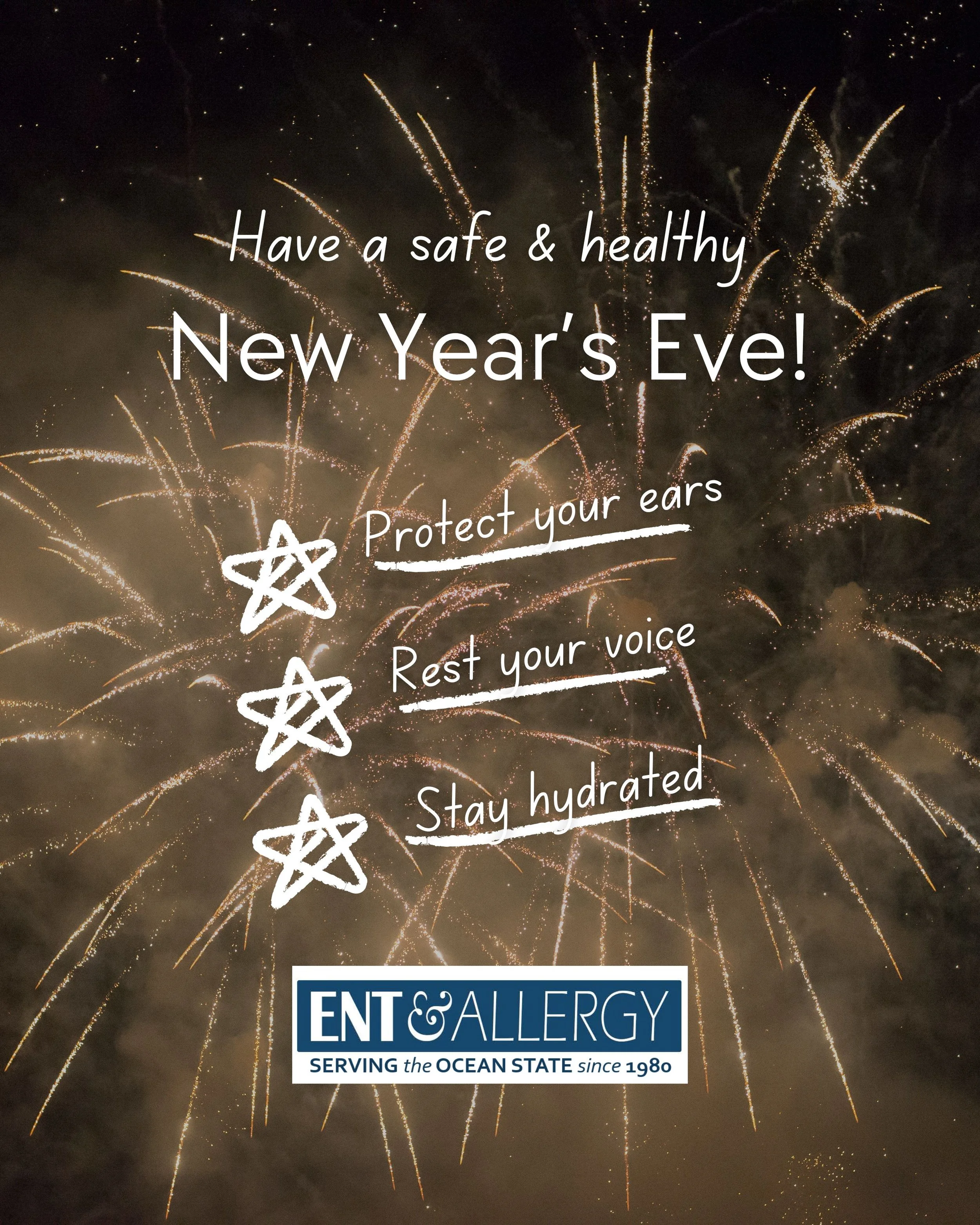
New Year’s Eve is built for celebration. Fireworks, loud music, late nights, sparkling drinks, crowded rooms, cold weather, and lots of cheering all come with the territory. The problem is that many of the most common New Year’s Eve traditions also put stress on the areas ENT specialists treat every day: your ears, nose, and throat.
Here’s a detailed, practical guide to help you enjoy the night and start the new year feeling your best.
1) Ear Protection: Loud Sound, Cold Air, and Post Party Symptoms
Watch out for noise exposure
New Year’s Eve is one of the loudest nights of the year. Fireworks, party horns, live music, and crowded venues can expose your ears to damaging sound levels quickly.
Helpful dB reminders (approximate):
85 dB (loud restaurant, heavy traffic): about 8 hours
100 dB (very loud party, club music): about 15 minutes
110 dB (some concerts, nearby fireworks): about 1 minute
120 dB+: potentially harmful almost immediately
What to do:
Create distance from speakers and fireworks. Every step back helps.
Take quiet breaks every 30 to 60 minutes.
Use earplugs. High fidelity earplugs preserve clarity for music events.
Protect kids’ ears. Children are more sensitive, and they are often closer to noisemakers.
Be careful with party horns and “prank” noise
Noisemakers can be surprisingly loud, especially if used close to someone’s ear. Avoid blowing horns or poppers near anyone’s face. This matters for adults, but it’s especially important around children.
Cold air and ear discomfort
If you’re outside for fireworks in cold or windy weather, some people get ear pain, especially those prone to sinus issues or Eustachian tube dysfunction.
What to do:
Wear a hat or earmuffs to keep ears warm.
If you are prone to ear pressure problems, consider using gentle measures like swallowing, sipping water, or yawning to help equalize pressure.
When to call an ENT after New Year’s Eve
Contact a clinician if you experience:
Sudden or significant hearing change
Persistent ringing (tinnitus) that does not improve
Severe ear pain
Drainage from the ear
Dizziness or vertigo that is intense or prolonged
Some symptoms resolve with rest, but sudden changes should be evaluated promptly.
2) Nose Protection: Dry Air, Allergens, Smoke, and Cold Weather Triggers
Dry indoor air can irritate the nasal lining
Heaters and crowded indoor spaces dry out the nose. That can lead to congestion, irritation, and sometimes nosebleeds.
What to do:
Hydrate throughout the day and evening.
Use saline spray before heading out and after you return home.
Consider a humidifier in your bedroom overnight.
Apply a thin layer of petroleum jelly or a nasal moisturizer just inside the nostrils if you are prone to dryness (avoid pushing it deep into the nose).
Smoke exposure can inflame nasal passages
Fireworks smoke, bonfire smoke, candles, and secondhand smoke can irritate the nose and sinuses, especially for people with allergies, asthma, or chronic sinusitis.
What to do:
Stand upwind of fireworks when possible.
Take breaks indoors away from smoke.
Rinse with saline after the event to help clear irritants.
Alcohol can worsen congestion
Alcohol can dilate blood vessels and may worsen nasal congestion for some people. Certain beverages also contain histamines or sulfites that can trigger symptoms.
What to do:
Alternate alcohol with water.
If you know certain drinks trigger congestion or facial pressure, choose a different option.
Keep tissues and saline handy if you are prone to post drink stuffiness.
Cold weather and rapid temperature changes
Going from a warm indoor space to cold outdoor air can cause a runny nose and irritation, and may trigger symptoms in those with sensitive nasal passages.
What to do:
Use a scarf or mask to warm the air you breathe when outdoors.
Keep saline spray on hand.
3) Throat Protection: Cheering, Late Nights, Reflux, and “Party Voice”
Loud environments make you strain your voice
When you talk over music, your vocal cords work harder. Add cheering, singing, and late night conversation, and you can end up with hoarseness the next day.
Voice smart tips:
Don’t shout directly into someone’s ear. Move closer and speak normally.
Take vocal breaks. Step away from the noise and rest your voice.
Sip water regularly. Dry vocal cords are more likely to become irritated.
Avoid constant throat clearing, which can further irritate tissues.
Alcohol, spicy foods, and late meals can trigger reflux
Reflux is a common reason for throat symptoms, and it can flare on nights with late meals, alcohol, and rich foods.
Reflux friendly choices:
Eat earlier if you can and avoid lying down soon after eating.
Moderate acidic and spicy foods.
If you are reflux prone, consider keeping your final meal lighter and reduce alcohol.
Sleep with your head slightly elevated if reflux tends to hit overnight.
Cold air can worsen throat irritation
Standing outside to watch fireworks can dry out the throat and trigger coughing, especially if you are already dealing with post nasal drip.
What to do:
Warm drinks like decaf tea with honey can help.
Bundle up and cover your mouth with a scarf if you are sensitive to cold air.
When throat symptoms may need evaluation
Seek medical attention if you have:
Hoarseness lasting longer than two to three weeks
Significant throat pain, swelling, or difficulty breathing
Trouble swallowing, drooling, or persistent sensation of something stuck
Recurrent sore throat with fever or severe symptoms
4) A Quick New Year’s Eve ENT Checklist
Before you go:
Earplugs (foam or high fidelity)
Saline spray
Water bottle
A scarf or face covering if it will be cold
Any prescribed inhalers or allergy medications you regularly use
During the celebration:
Step back from speakers and fireworks
Take quiet breaks
Hydrate and pace alcohol
Speak closer, not louder
Watch for smoke and avoid standing in heavy exposure
After you get home:
Saline rinse or spray for your nose if you were exposed to smoke
Hydrate
Give your voice a rest
Sleep in a slightly elevated position if reflux is a concern
5) Special Notes for Kids and Families
Children are often the most vulnerable on New Year’s Eve because they:
Have more sensitive hearing
May be closer to fireworks or noisemakers
Are more affected by late nights and dry indoor air
Family friendly steps:
Use child sized hearing protection for fireworks or loud events
Skip party horns close to faces
Keep water available
Consider earlier celebrations with lower noise exposure
Start the New Year Feeling Better
You don’t have to avoid fun to protect your health. Small changes like using earplugs, staying hydrated, taking breaks from loud sound and smoke, and being mindful of voice strain can help you wake up on January 1 feeling more like yourself.
If you or a family member experiences persistent ear pain, sudden hearing changes, severe sinus pressure, or prolonged hoarseness after New Year’s Eve, our ENT team is here to help.